The Story of Obito Uchiha and The Loss of Hope
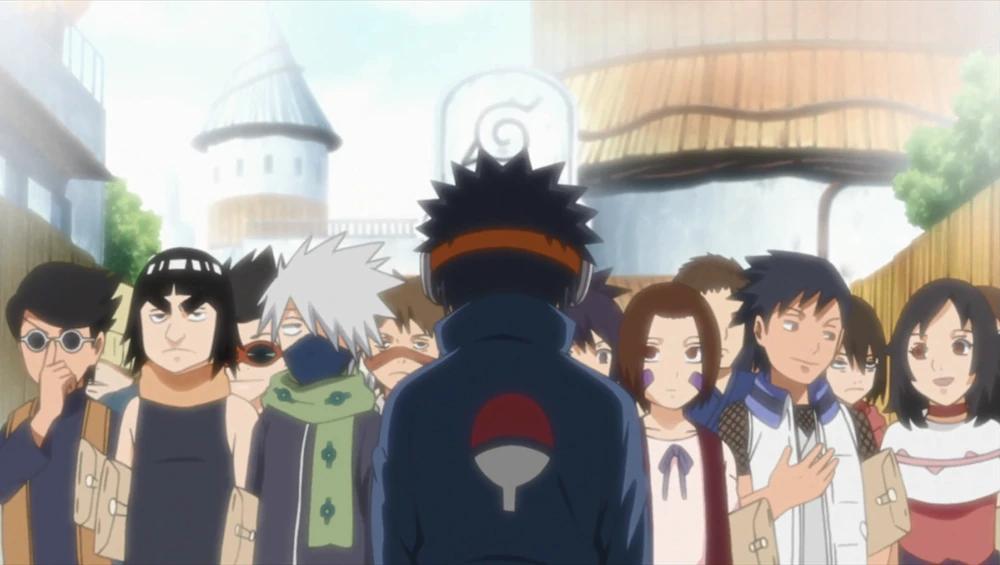
Background
Obito Uchiha is one of the most tragic and complex characters in the entire Naruto series. Initially introduced as a cheerful, optimistic boy who dreamed of becoming the Hokage, his journey took a drastically different path shaped by immense suffering and manipulation.
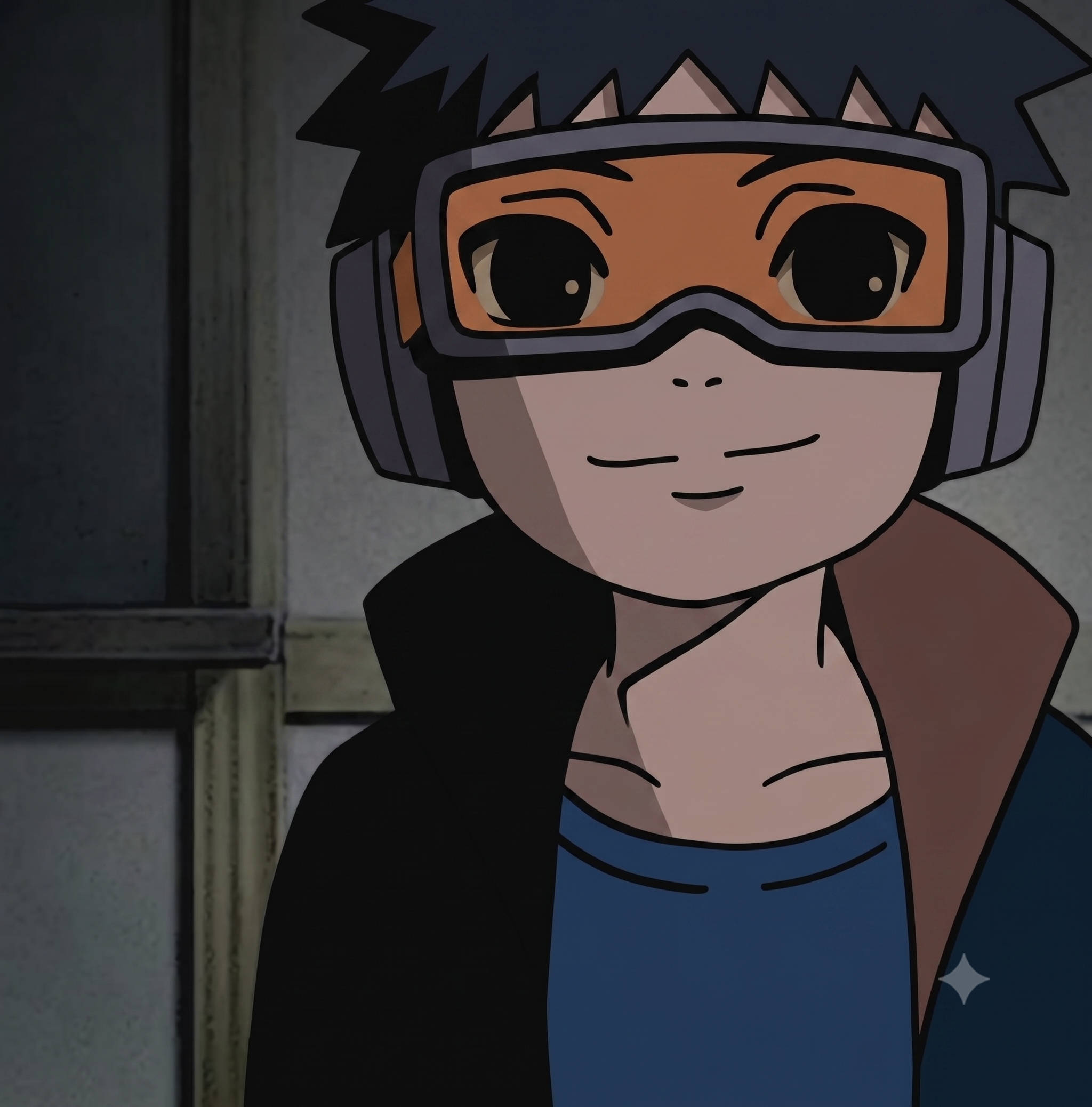
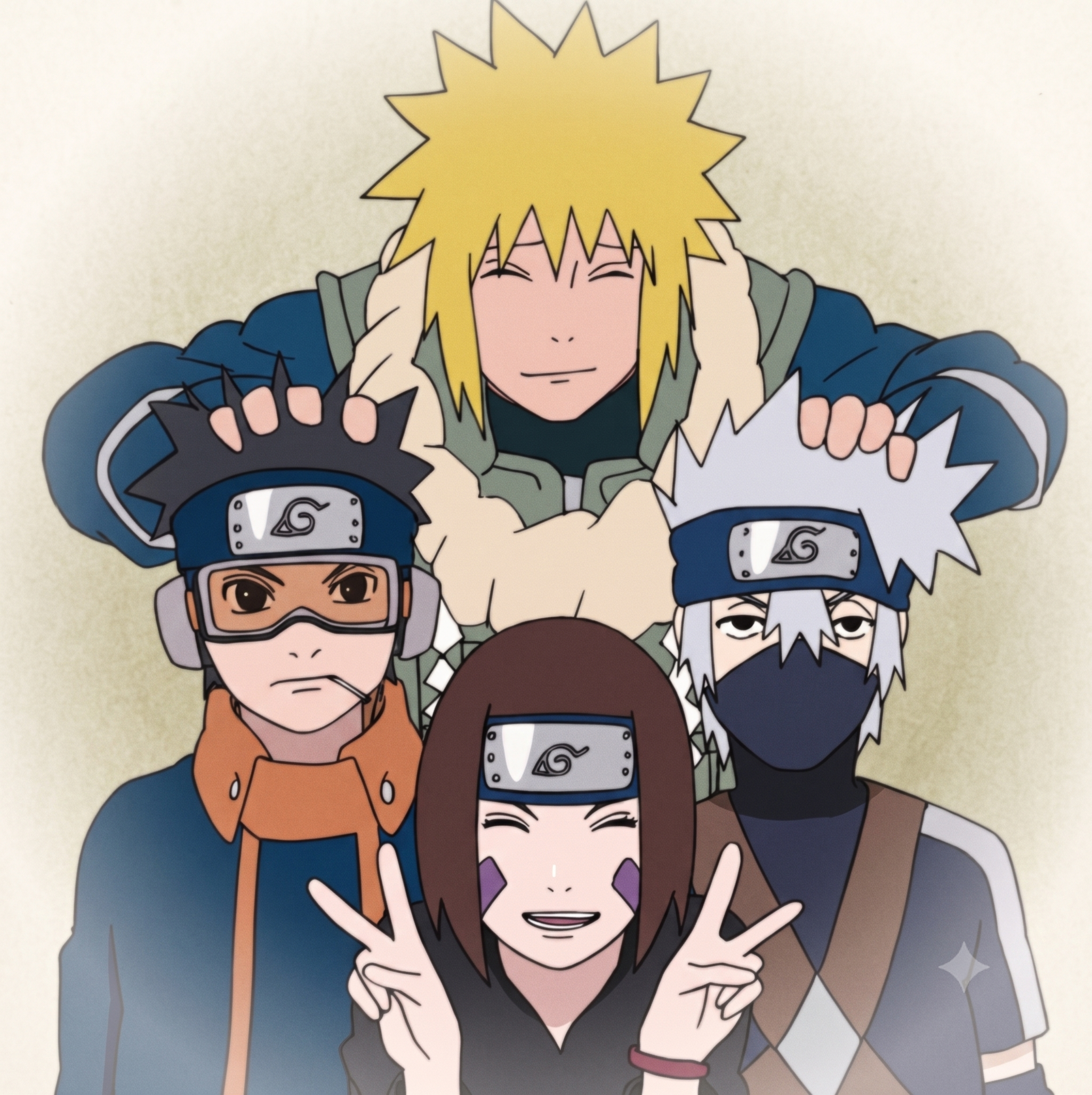
During his early days in Team Minato, Obito was often viewed as the underdog of his class. He lacked the natural genius and prodigious talent of his teammate and rival, Kakashi Hatake. However, he compensated for this with a fierce loyalty to his friends and an unwavering moral compass regarding teamwork, often prioritizing the safety of his comrades over mission rules.
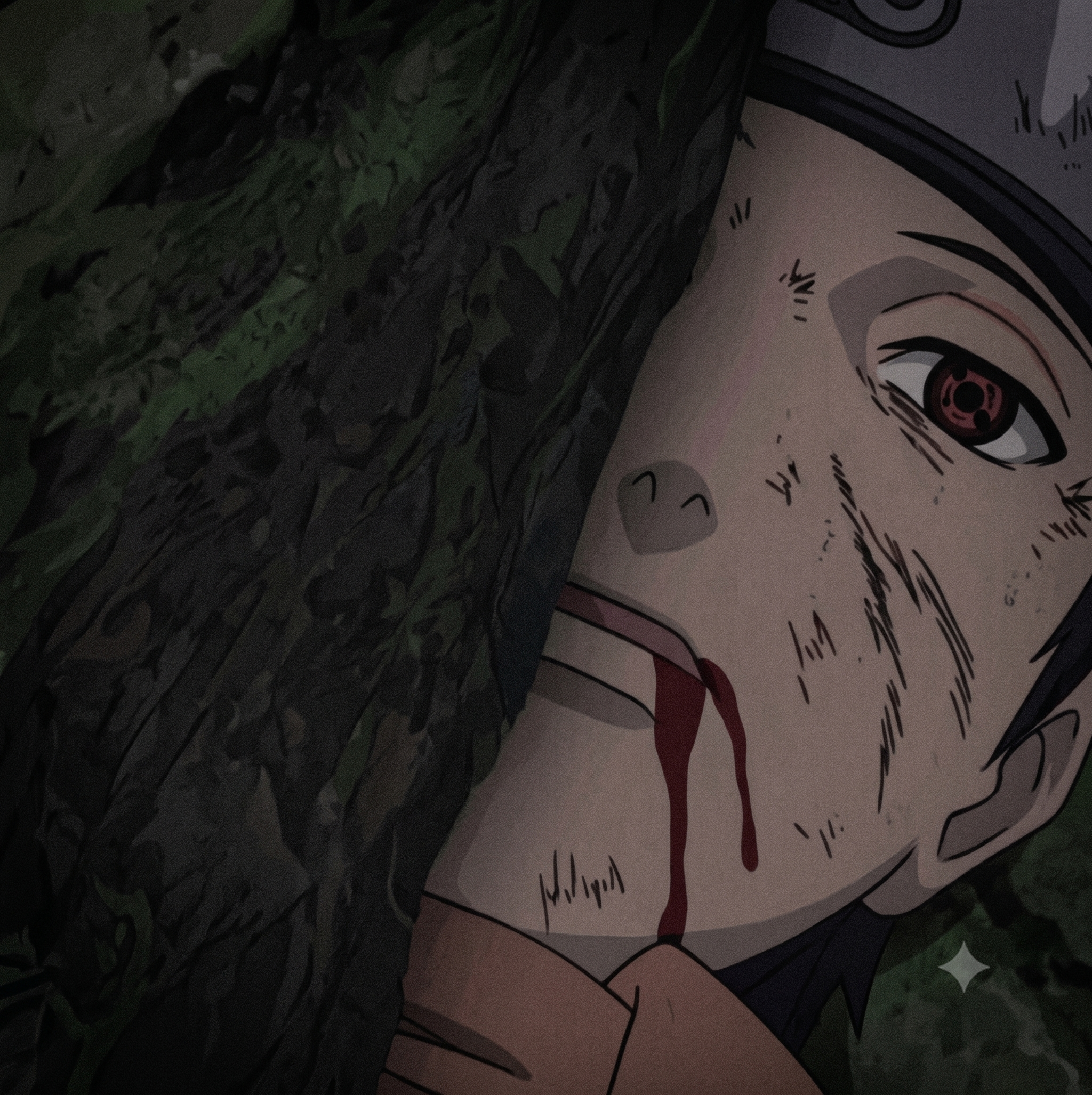
His life changed forever during the mission at the Kannabi Bridge. Crushed beneath a massive boulder while attempting to save Kakashi, Obito believed his life was at its end. In what he thought was his final act of friendship, he gifted Kakashi his newly awakened Sharingan, leaving behind a legacy of a true hero who died for the Hidden Leaf.
However, Obito did not die. He was secretly rescued by an elderly Madara Uchiha, who slowly began to twist the young boy's worldview. Even during his painful rehabilitation, Obito clung to the hope of reuniting with Kakashi and the girl he loved, Rin Nohara.
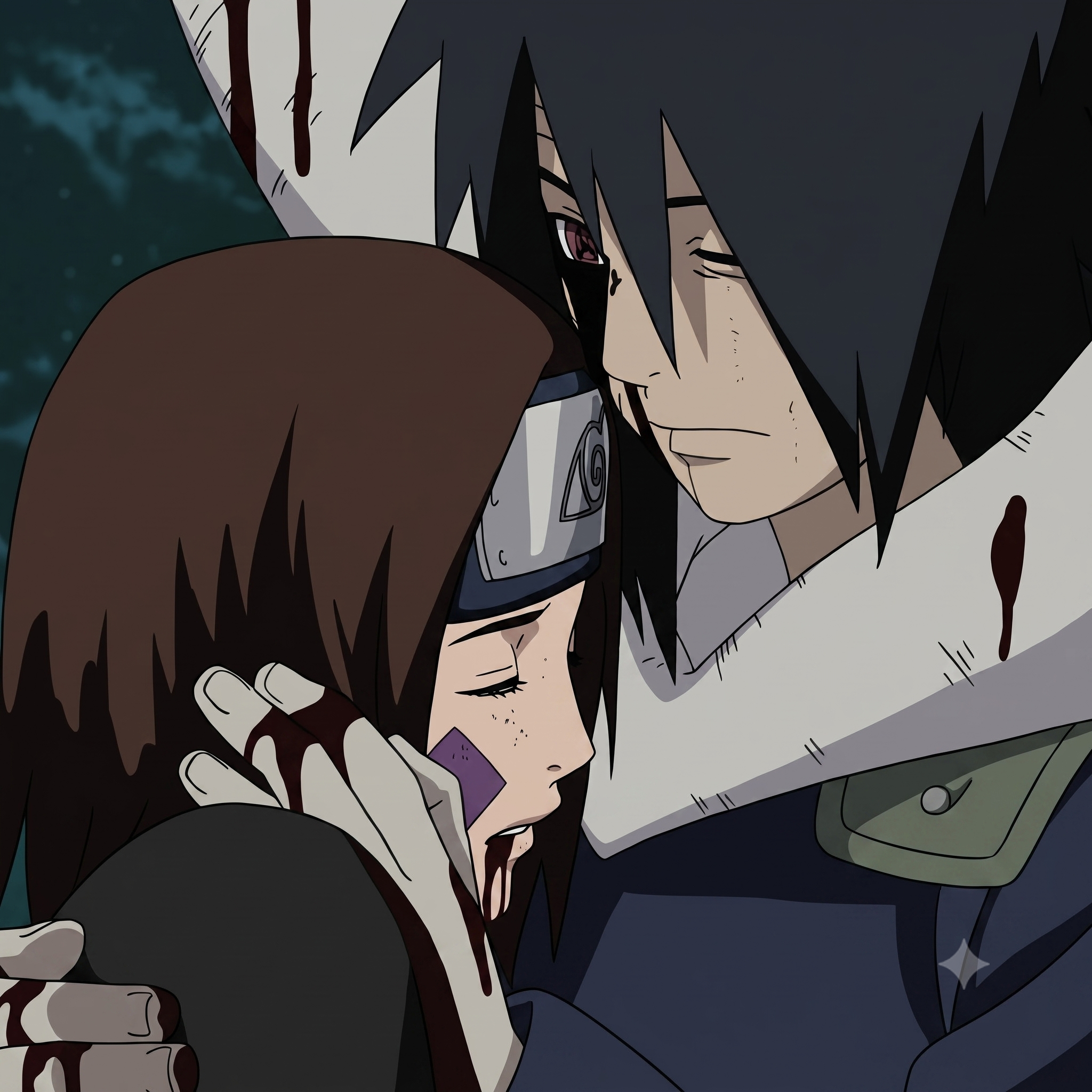
That fragile hope was completely shattered when he witnessed Kakashi inadvertently killing Rin on the battlefield. This single traumatic event broke Obito's mind and spirit. He abandoned his identity, his dreams, and his village, adopting Madara's nihilistic goal of casting the entire world into an eternal illusion known as the Infinite Tsukuyomi.
For decades, he operated in the shadows under various aliases, manipulating the ninja world and orchestrating some of its greatest tragedies. He became the architect of immense suffering, all in a misguided attempt to create a dream world where no one would ever have to experience the pain of loss again.
My Opinion
In my opinion, Obito Uchiha serves as a profound warning about how deeply grief and despair can corrupt even the purest of hearts. His story is not just about a villain doing evil things; it is a psychological exploration of a broken boy who lost his faith in reality itself.
Many villains in anime are driven by a simplistic desire for power, wealth, or world domination. Obito, however, was driven by a twisted form of love and profound sorrow. He could not accept a world where unfair tragedies occur to innocent people, so he decided that the only solution was to erase reality entirely.
What makes his character so compelling is how closely his foundation mirrors that of the protagonist, Naruto Uzumaki. Obito is essentially what Naruto could have become if he had succumbed to his pain, lost his closest bonds, and completely given up on the future.
This parallel is what makes Obito's internal battle during the Fourth Great Ninja War so captivating. Beneath the physical and metaphorical masks he wore, he was constantly trying to convince himself that his childhood dreams were foolish and meaningless, projecting his own inner conflict onto Naruto.
I find his dynamic with Kakashi to be one of the most heartbreaking aspects of the series. While Kakashi chose to carry the pain of their past and honor Obito's original ideals by never abandoning his comrades, Obito chose to run away from that pain by trying to overwrite the world.
Their eventual clash in the Kamui dimension is a masterpiece, not just in terms of animation and choreography, but as a deeply emotional confrontation. It was a battle of two conflicting ideologies on how to handle grief: bearing the heavy weight of reality versus trying to escape it through a fabricated dream.
Another fascinating element of Obito's character is the concept of identity. By calling himself "Tobi" or "Madara," he was desperately trying to kill the "Obito" inside him. He genuinely believed that to achieve his perfect world, he had to become a hollow, nameless instrument of the plan.
However, his mask was eventually shattered, both physically and emotionally. When Naruto's relentless words forced Obito to confront his true self, it revealed that the boy who wanted to be Hokage was never truly dead—he was only buried beneath layers of trauma, manipulation, and lies.
The redemption of Obito Uchiha is often debated among fans, but I believe it was executed beautifully. His redemption was never about erasing his terrible crimes or being completely forgiven; it was about finally taking responsibility for his actions.
When he realized that true strength comes from enduring pain rather than fleeing from it, he chose to fight for the real world. He understood that he could not undo the massive suffering he had caused, but he could use his remaining time and power to protect the next generation.
His final sacrifice to save Naruto and Kakashi against Kaguya Otsutsuki was his way of returning to his roots. At that moment, he did not die as a mastermind who manipulated the world, but as Obito Uchiha, the shinobi of the Hidden Leaf who cherished his friends above all else.
The Conclusion
For me, Obito's story highlights the terrifying fragility of hope and the destructive power of unresolved grief. It shows how easily the brightest light can be consumed by darkness when a person feels entirely abandoned by the world.
Yet, his narrative is also a powerful testament to the resilience of the human spirit and the concept of atonement. It demonstrates that no matter how far one has strayed from their path, there is always an opportunity to turn back, face the truth, and do what is right.
We may all face moments of unimaginable hardship where giving up or retreating into escapism seems like the easiest and most painless option. Obito's journey reminds us that avoiding pain does not heal it; it only creates a cycle of suffering for ourselves and those around us.
Ultimately, facing our reality, with all of its flaws, pain, and unpredictability, is the only way to truly live. The connections we forge and the strength we find to endure our struggles are what make our lives meaningful.
Through his tragic fall and final redemption, Obito Uchiha leaves behind a lasting message. He teaches us that even in the deepest despair, we must never let go of our true selves, and we must always strive to protect the hope of tomorrow.